


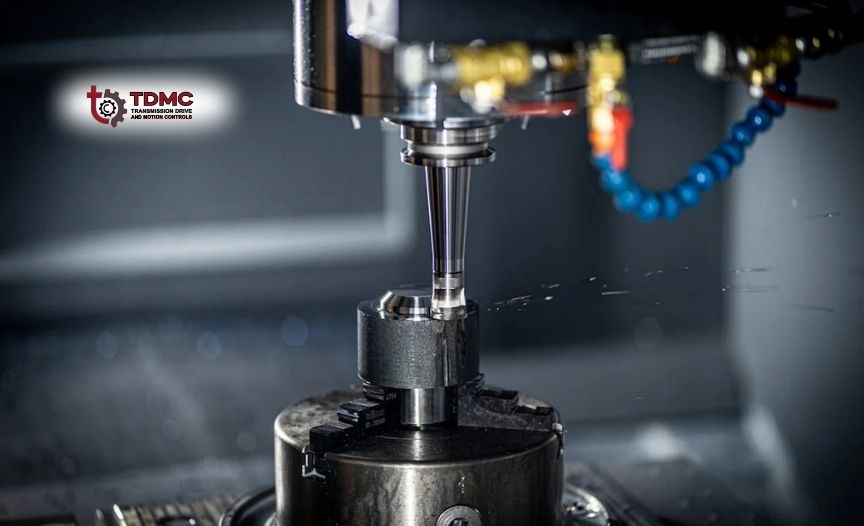
In today’s competitive industrial landscape, the demand for accuracy, efficiency, and durability in components has never been higher. This is where precision machining comes into play, offering a manufacturing process that ensures even the most complex parts meet exact design specifications. From aerospace to healthcare, this advanced technique is transforming the way industries operate.
What is Precision Machining?
It is the process of removing material from a workpiece while maintaining exceptionally tight tolerances. Using advanced equipment such as CNC (Computer Numerical Control) machines, lathes, and grinders, manufacturers can create intricate parts with remarkable consistency. The focus lies not only on dimensional accuracy but also on achieving smooth finishes, reliable performance, and long-term durability.
Key Techniques in Precision Machining
Several techniques are widely used depending on the requirements of the component:
- CNC Milling and Turning – Ideal for producing parts with complex geometries, these methods allow for high repeatability and precision.
- Grinding and Honing – Used to achieve ultra-fine surface finishes and extreme accuracy in size.
- Electrical Discharge Machining (EDM) – Perfect for shaping hard metals and creating complex cavities.
- Laser Cutting and Micro-Machining – Essential for delicate, small-scale components such as those found in medical devices.
Each of these techniques enables manufacturers to tailor the process to specific material types and design needs.
Benefits of Precision Machining
The advantages extend far beyond accuracy:
- Consistency – Every component produced is identical, ensuring reliability in mass production.
- Efficiency – Automated CNC systems reduce manual errors and optimize production time.
- Cost Savings – By minimizing material waste and rework, businesses lower operational costs.
- Enhanced Product Quality – High-quality finishes and precise tolerances improve performance and durability.
These benefits make it indispensable for companies striving for innovation and competitiveness.
Applications Across Industries
The applications of precision machining are vast and impactful:
- Aerospace & Defense – Manufacturing engine parts, turbine blades, and navigation systems that require flawless accuracy.
- Automotive – Producing gears, shafts, and safety-critical components.
- Medical & Healthcare – Creating surgical instruments, implants, and diagnostic equipment where precision can be life-saving.
- Electronics – Fabricating micro-components for smartphones, computers, and consumer devices.
It is more than a manufacturing process—it is the backbone of modern industry. By combining advanced techniques with accuracy-driven outcomes, it ensures products meet the highest standards of quality and reliability. As technology continues to advance, the role of precision machining will only expand, driving innovation across sectors worldwide.