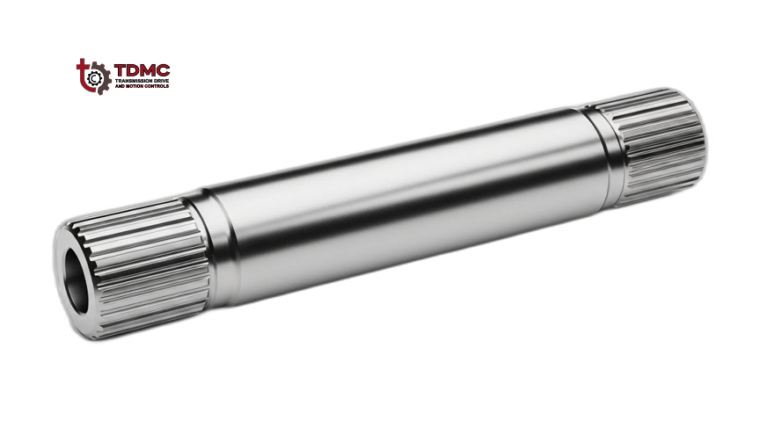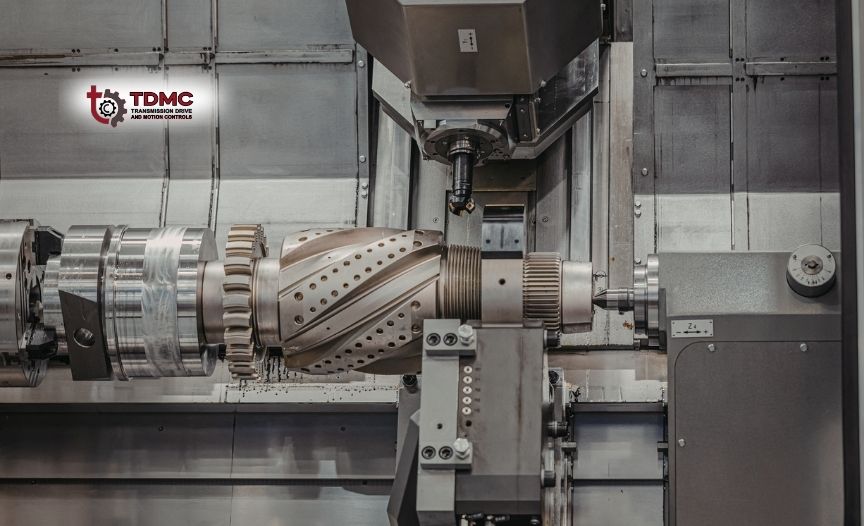
The global manufacturing landscape is evolving rapidly, and the demand for high-quality, precision-engineered components has never been greater. Industries such as aerospace, automotive, medical devices, and electronics rely heavily on components manufactured to exacting standards. This growing demand has opened up significant opportunities for companies engaged in the export of high precision machined components, but it also brings a unique set of challenges that manufacturers must navigate carefully.
Opportunities in the Global Market
The export of high precision machined components offers a gateway to new markets and revenue streams. Advanced manufacturing technologies, such as CNC machining, laser cutting, and 5-axis milling, enable companies to produce components with unmatched accuracy and consistency. This capability positions manufacturers to cater to sectors where quality and precision are non-negotiable.
Globalization and the expansion of international trade agreements have further enhanced opportunities. Businesses can now access a diverse customer base across North America, Europe, and Asia, increasing their competitiveness and market visibility. Additionally, the trend towards outsourcing precision component manufacturing to specialized suppliers has fueled demand, providing a lucrative avenue for export-focused companies.
Challenges in Exporting Precision Components
While opportunities abound, the export of high precision machined components is not without challenges. Meeting stringent international quality standards and certifications is critical. Components must adhere to specifications that ensure functionality, safety, and durability, which often requires significant investment in quality control and testing.
Supply chain complexities also pose challenges. Timely delivery, proper handling, and compliance with customs regulations are essential to maintain customer trust and avoid delays. Currency fluctuations and geopolitical uncertainties can further impact profitability, requiring manufacturers to adopt robust risk management strategies.
Navigating the Path to Success
To succeed in the international market, manufacturers must focus on innovation, precision, and customer-centric approaches. Investing in state-of-the-art machinery, employee training, and quality assurance systems is crucial. Building strong relationships with global clients and understanding their specific requirements can help companies not only meet expectations but exceed them.
In conclusion, the export of high precision machined components presents both promising opportunities and formidable challenges. Companies that balance technological investment with strategic market insights are well-positioned to drive global manufacturing excellence and strengthen their foothold in this competitive industry.