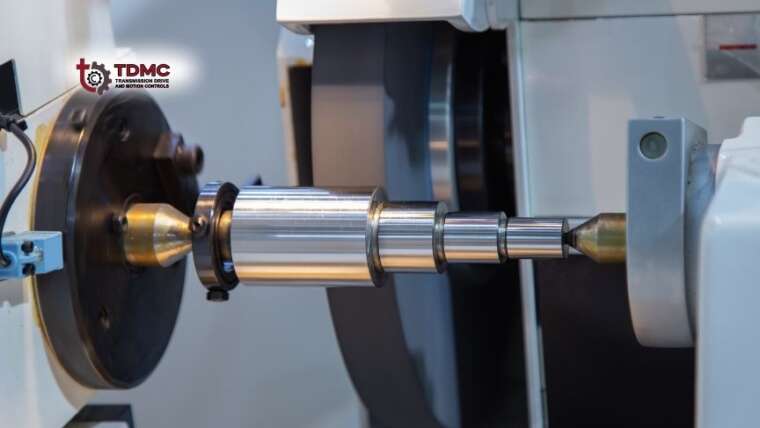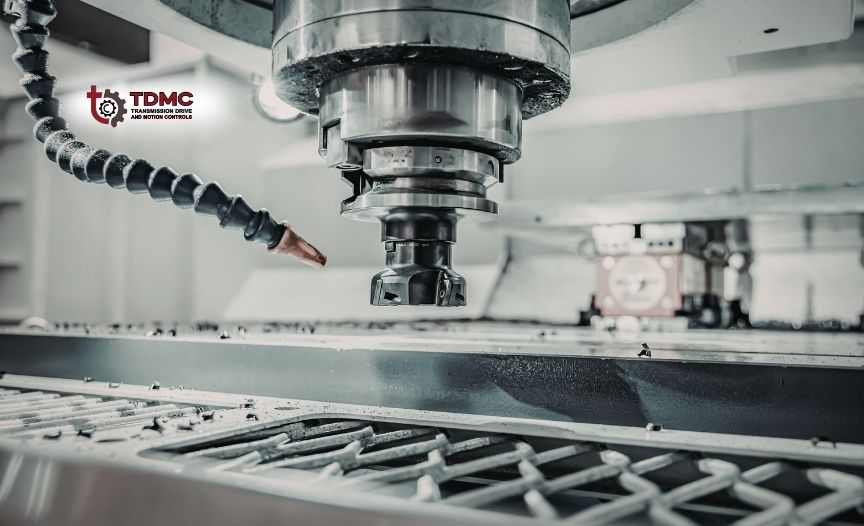
Modern manufacturing is evolving at a pace like never before. As industries aim for higher accuracy, improved efficiency, and flawless quality, one advanced tool has become indispensable—the precision grinding machine. Whether it’s aerospace, automotive, medical equipment, or general engineering, these machines are redefining how manufacturers shape and finish components.
The Rise of High-Accuracy Manufacturing
In today’s competitive landscape, the demand for ultra-precise parts has skyrocketed. Manufacturers can no longer rely solely on conventional machining methods when tolerances are getting tighter and surface finish requirements more demanding. This is where precision grinding steps in with unmatched consistency.
A precision grinding machine delivers accuracy in microns, enabling companies to produce intricate parts that meet strict industry standards. With advanced CNC control, automation options, and versatile grinding capabilities, these machines have become the backbone of high-tech production units.
Key Advantages That Drive Transformation
- Unmatched Accuracy and Repeatability
Precision grinding machines are engineered to perform repetitive tasks with exceptional accuracy. The ability to maintain tight tolerances ensures every component meets exact specifications, resulting in fewer defects and improved reliability.
- Superior Surface Finish
A smooth and flawless surface is often essential for mechanical performance, especially in rotating or sliding parts. These machines help achieve mirror-like finishes, eliminating the need for secondary polishing or manual finishing.
- Enhanced Productivity
Modern grinding systems come with automation, allowing manufacturers to process parts continuously with minimal human intervention. This boosts throughput and reduces production delays, making operations more efficient and cost-effective.
- Versatility Across Materials and Applications
From hardened steel and ceramics to composites and superalloys, a precision grinding machine handles a wide range of materials with ease. This versatility has made it a preferred choice for industries dealing with complex geometries and advanced materials.
Why Precision Grinding Is the Future of Manufacturing
As industries embrace digital transformation, grinding technology is becoming smarter and more efficient. Integration with IoT, real-time monitoring, and predictive maintenance are helping manufacturers reduce downtime and optimize performance.
The benefits of using a precision grinding machine go beyond accuracy—it fundamentally enhances manufacturing workflows, improves product quality, and supports innovation in design and engineering.
Precision grinding is no longer a specialized process; it is becoming a standard requirement in advanced manufacturing. Companies that adopt this technology today are positioning themselves for long-term success in an increasingly demanding marketplace.