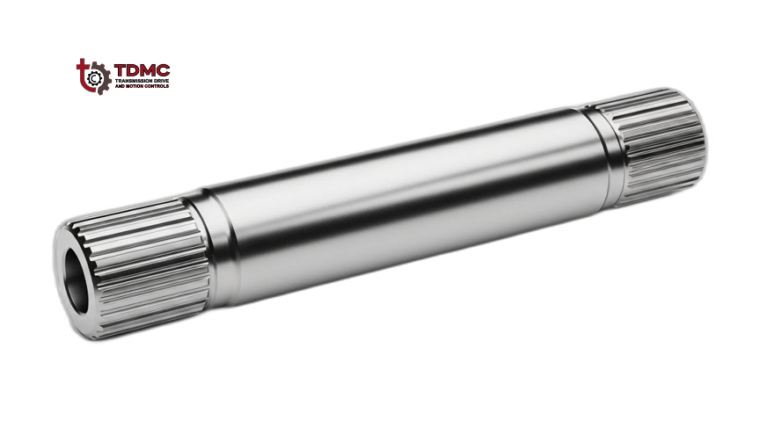
In today’s rapidly evolving industrial landscape, precision and efficiency have become the cornerstones of innovation. One technology at the forefront of this transformation is high precision CNC machining, reshaping how components are designed and manufactured across critical sectors like aerospace and medical industries.
Revolutionizing Aerospace Manufacturing
The aerospace industry demands components that meet the highest standards of safety and performance. Even the smallest deviation can have serious consequences. High precision CNC machining allows engineers to create complex geometries with unmatched accuracy, ensuring each part fits perfectly and performs reliably under extreme conditions. From turbine blades to structural aircraft components, CNC technology minimizes errors, reduces waste, and accelerates production timelines, enabling manufacturers to respond faster to evolving industry demands.
Moreover, CNC machining facilitates the use of advanced materials, such as titanium alloys and high-performance composites, which are essential for lightweight yet durable aerospace components. By combining precision with flexibility, aerospace manufacturers can innovate faster while maintaining rigorous safety standards.
Advancing Medical Device Production
The medical field is another sector where precision is non-negotiable. Surgical instruments, prosthetics, and implantable devices require intricate designs and consistent quality. High precision CNC machining ensures that every component meets strict tolerances, which is crucial for patient safety and device functionality.
For instance, orthopedic implants and cardiovascular stents demand micro-level precision, something traditional manufacturing techniques struggle to achieve consistently. CNC technology enables mass production of these devices without compromising accuracy, improving overall patient outcomes while supporting the medical industry’s growth.
Driving Future Innovations
Looking ahead, high precision CNC machining is set to become even more integral to innovation. Integration with digital technologies like CAD/CAM software, artificial intelligence, and real-time quality monitoring is enhancing manufacturing capabilities. These advancements allow industries to experiment with complex designs, shorten prototyping cycles, and reduce material costs—all while maintaining superior quality.
In conclusion, the future of manufacturing is being shaped by the capabilities of high precision CNC machining. By delivering accuracy, efficiency, and flexibility, this technology is not only meeting today’s industrial demands but also unlocking new possibilities for innovation in aerospace and medical applications. Manufacturers that embrace these tools are poised to lead the way in quality, safety, and technological advancement.