


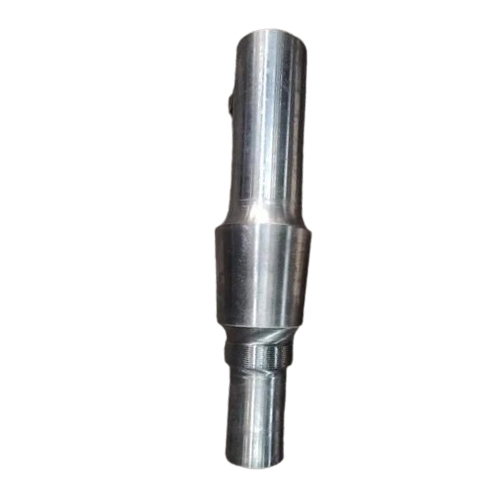
If you run a crushing plant, you already know the drill: one unplanned shutdown and your whole production schedule goes sideways. More often than not, the culprit behind that sudden stoppage is a worn-out or snapped cone crusher shaft. It’s one of those components nobody talks about until it fails — and by then, you’re looking at days of downtime and a repair bill that stings.
Let’s walk through why this happens and what actually works to prevent it.
- Poor Material Selection:Not every shaft is built for the punishment a cone crusher dishes out. When manufacturers cut corners on steel grade or skip proper heat treatment, fatigue cracks show up far sooner than they should. A cone crusher shaft needs to handle constant cyclic loading, so the metallurgy has to be right from day one.
- Misalignment During Installation:Even a slightly off-center shaft creates uneven stress distribution. Over weeks of operation, that small misalignment turns into vibration, bearing wear, and eventually a crack that nobody saw coming. Precision during installation isn’t optional — it’s the difference between five years of service and five months.
- Overloading Beyond Rated Capacity:Pushing a crusher past its design limits to hit production targets feels tempting, but it’s the fastest route to shaft fatigue. Operators often don’t realize the cumulative damage until the machine simply stops.
- Inadequate Lubrication:Dry or contaminated lubrication increases friction at the bearing surfaces, generating heat that weakens the shaft material over time. A simple lubrication schedule prevents a surprisingly large share of failures.
- Contamination and Abrasive Wear:Dust, grit, and fine ore particles working their way into bearing housings accelerate wear on the shaft surface, creating micro-grooves that eventually become stress points.
- Manufacturing Defects:Hidden porosity, inconsistent forging, or poor machining tolerances during production can leave weak spots invisible to the naked eye — until load and vibration find them.
- Lack of Routine Inspection:>Many plants only inspect their cone crusher shaft when something already sounds wrong. By then, a crack has usually progressed too far for a simple fix.
The Real Fix: Precision From the Start
Most of these causes trace back to one thing — quality at the manufacturing stage. A properly engineered, precisely machined shaft, paired with routine maintenance, is what keeps crushers running instead of sitting idle. Investing in the right shaft upfront always costs less than an emergency replacement later.

